Vehicle Recall Claims in Cincinnati, OH
We review recall repair records and vehicle downtime for Cincinnati-area drivers.
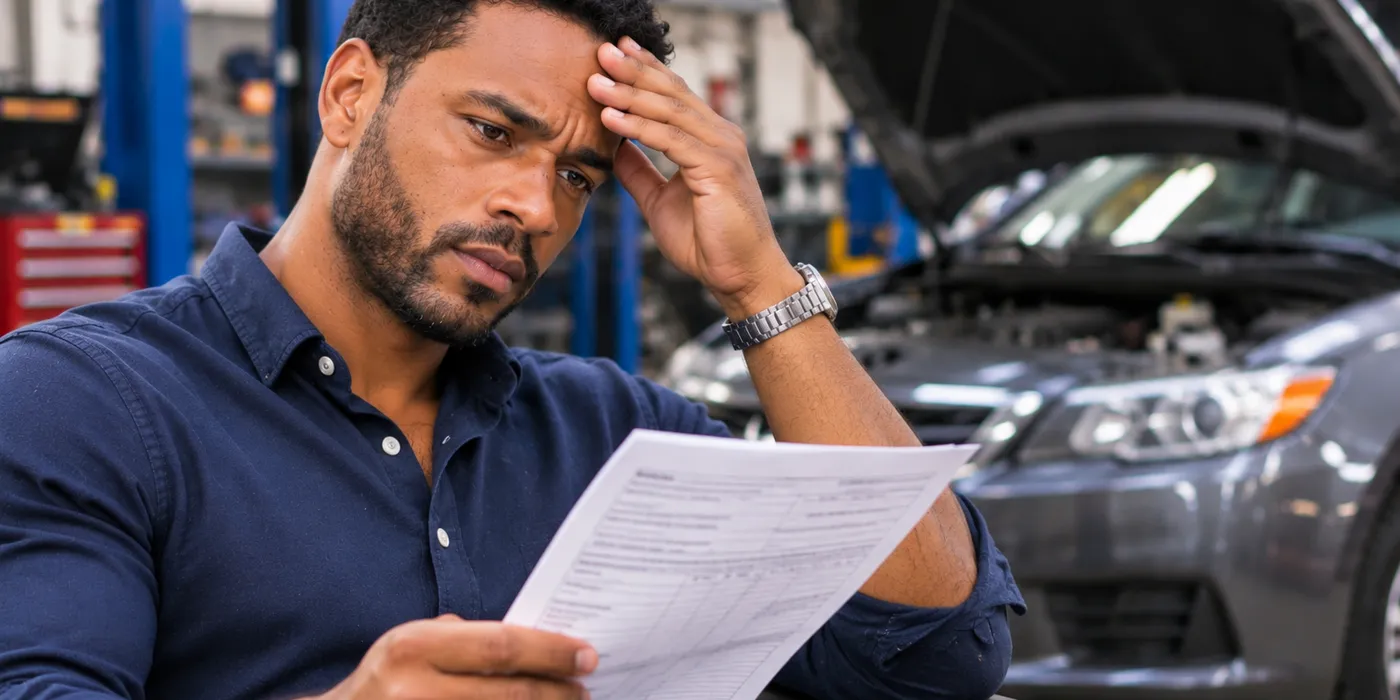
Owners from Cincinnati, Bellevue, Dayton, and Newport often call after saying, “My car is on recall, but it still does the same thing,” or “The dealer fixed it and the warning light came back.” Others have a recall notice in hand but cannot get a clear answer about the repair, the replacement part, or the next shop visit. We translate those driveway-level complaints into a review of the recall work, the repair history, and the documents tied to the vehicle.
A recall notice alone does not tell the full story. We look at whether the dealer performed the recall repair, whether the same symptom continued afterward, and what each repair order says about the vehicle’s condition. This is worth looking at now because repair records, recall notices, and the connection between the original complaint and later shop visits become harder to reconstruct as the vehicle’s service history grows.
Warning light and stalled engine
We hear, “The recall was done, but the warning light came back,” often with a dashboard photograph or a repair order showing the same warning. Other callers report that the engine shut off at a stop, the brakes felt different after recall work, or the dealer said a replacement part was unavailable. Some owners describe a vehicle that will not start after the dealer performed the recall repair, while others describe a vibration, fuel odor, or loss of power that began before the notice arrived. Those reports may sound similar from a driveway, but the recall campaign, repair entry, continuing symptom, and shop history can point to very different questions.
Recall file review
We begin by hearing the sequence in plain terms: what the vehicle did, when the recall notice arrived, what the dealer said, and whether the symptom changed after the repair. During that first conversation, we can usually sort out the vehicle identification number, the recall notice, the basic repair timeline, and whether the vehicle was bought or leased. Determining what the dealer documented and how the recall work relates to later visits requires the paperwork in front of us.
We read the purchase or lease agreement, repair orders, dates the vehicle went into and out of the shop, and correspondence with the dealer. We compare the complaint written on each repair order with the recall description, the work performed, the mileage, and any notes stating that the condition could not be duplicated or that parts were pending. If records are missing, we identify which document may fill the gap, such as a dealer email, appointment confirmation, recall letter, or final invoice.
Repair attempts, downtime, warranty
The number of repair attempts matters, especially when repair orders describe the same warning light, engine behavior, brake concern, or other condition before and after recall work. Days the vehicle remained at the dealership also matter because a repair order may show check-in and release dates, part delays, or repeated returns to the service lane. A single visit with a completed repair can present a different record from multiple written visits for a continuing symptom.
We also check whether each complaint was reported while the warranty was running, whether the vehicle was bought or leased, and who holds the complete service file. A recall notice and a repair order can support the timeline, but the wording on the repair order often carries more weight than a later memory of the conversation at the counter. Dealer correspondence, text messages, invoices, and mileage entries can help connect the reported fault to a specific visit and show whether the vehicle stayed out of service.
Repair orders and VIN
Before calling, locate the repair orders from every recall-related visit, including the paperwork that lists the complaint, the repair performed, the mileage, and the dates in and out of the shop. Those documents may be in the glove box, a dealer email, an online service account, or a folder of invoices. Keep the recall notice and the vehicle identification number nearby so we can identify the campaign connected to the repair.
The purchase or lease agreement can clarify how the vehicle was acquired, while dealer emails or text messages may show part delays and return instructions. Check whether a later repair order describes the same warning light, noise, starting problem, or loss of power after the recall work. Call Lemon Law Lawyer Cincinnati at (513) 225-1790 before the recall-repair sequence becomes harder to trace through scattered shop records.
When we are open
Next: rv lemon law, or back to the home page.